Key Trends in Project Management: What to Expect


Introduction to Key Trends in Project Management
In the rapidly evolving field of project management, staying abreast of key trends is crucial for success. As organizations strive to deliver projects more efficiently and effectively, understanding the latest developments can provide a competitive edge. This post explores some of the most significant trends shaping the future of project management.

Agile and Hybrid Methodologies
Agile methodologies have become increasingly popular in recent years, offering flexibility and adaptability in project execution. More organizations are now adopting hybrid approaches, combining Agile with traditional methods to harness the strengths of both.
This approach allows teams to tailor their project management strategies to specific project needs, leading to better outcomes. As businesses face unique challenges, the ability to blend methodologies can enhance project delivery and stakeholder satisfaction.
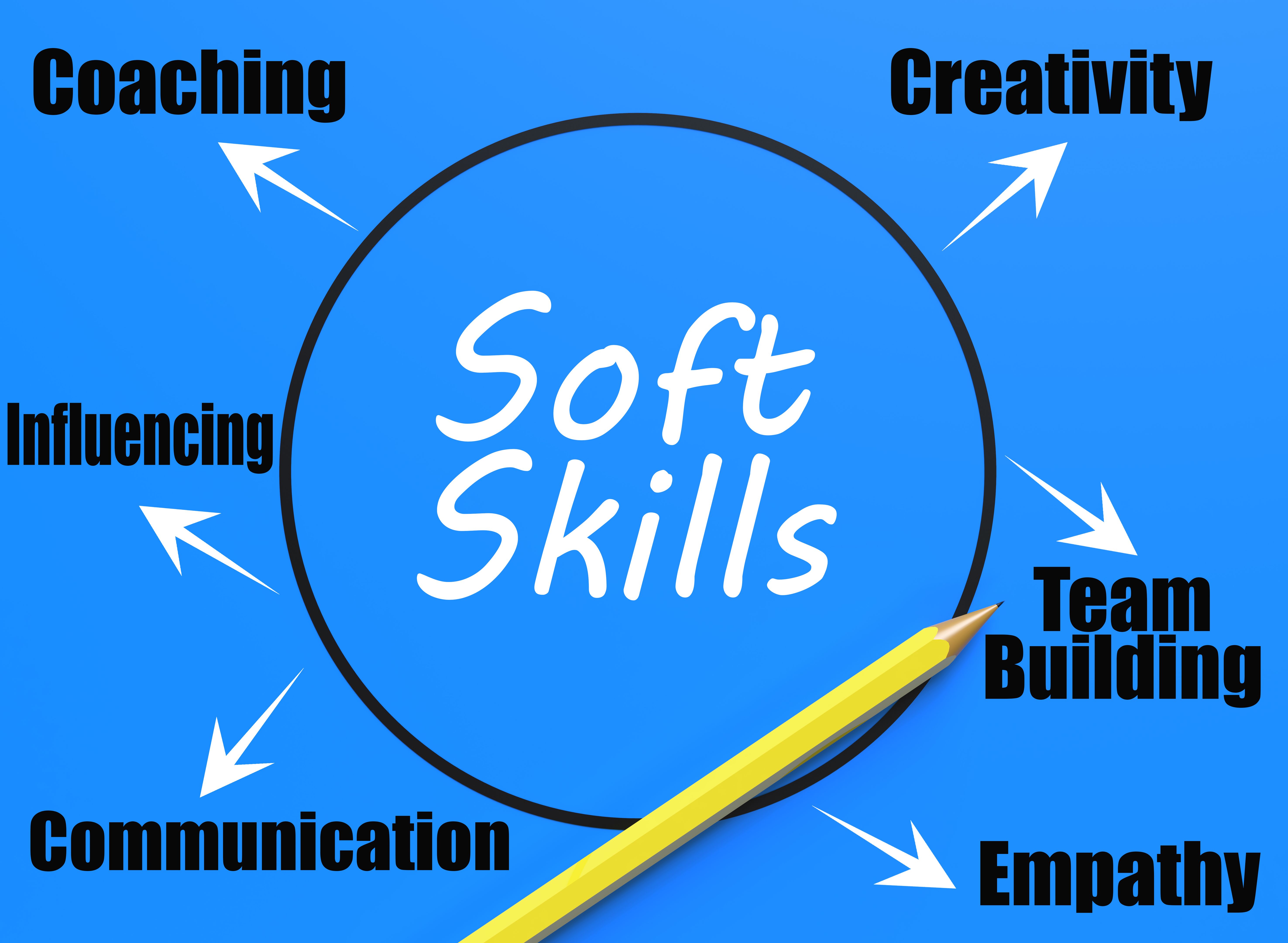
Emphasis on Soft Skills
While technical skills remain essential, there's a growing recognition of the importance of soft skills in project management. Skills such as communication, leadership, and emotional intelligence are now seen as critical components for successful project managers.
These skills help in managing teams effectively, fostering collaboration, and ensuring clear communication with stakeholders. As remote work environments become more common, the ability to connect with team members and stakeholders on a personal level has never been more important.
Rise of Artificial Intelligence and Automation
Artificial Intelligence (AI) and automation are transforming how projects are managed. From predictive analytics to automated workflows, these technologies are streamlining processes and providing deeper insights into project performance.
AI can help in resource allocation, risk management, and decision-making by analyzing vast amounts of data quickly. Automation, on the other hand, reduces repetitive tasks, allowing project managers to focus on strategic planning and execution.
Focus on Sustainability
Sustainability is becoming a core consideration in project management. Organizations are increasingly looking at how their projects impact the environment and society. This trend is not just about minimizing negative impacts but also about creating positive contributions.
Project managers are tasked with integrating sustainable practices into their planning and execution phases. This might include using sustainable materials, reducing waste, or considering the long-term social implications of their projects.

Increased Use of Collaborative Tools
The shift towards remote and hybrid work models has led to a surge in the use of collaborative tools. Platforms that facilitate communication and collaboration are essential for keeping teams connected and productive.
These tools support everything from virtual meetings to document sharing and task management. As technology continues to advance, project managers will likely see even more integration and innovation in collaborative tools, making it easier to manage distributed teams effectively.
Conclusion: Adapting to Change
The field of project management is continually evolving, with new trends shaping how projects are executed and managed. By staying informed about these changes, project managers can adapt their strategies to meet the demands of a dynamic environment.
Embracing these trends not only improves project outcomes but also enhances the skills and capabilities of project management professionals. As we move forward, being proactive and adaptable will be key to thriving in this ever-changing landscape.