Mastering Project Management: Key Strategies for IT Success


Understanding the Importance of Project Management in IT
In the fast-paced world of Information Technology, effective project management is crucial. It ensures that projects are completed on time, within budget, and meet the desired quality standards. Without a strong framework, IT projects can quickly spiral out of control, leading to delays and cost overruns.

Establishing Clear Objectives
The first step in mastering project management is establishing clear and achievable objectives. This involves defining the scope of the project, setting realistic timelines, and allocating appropriate resources. By having a well-defined plan, teams can focus on achieving specific goals without deviating from the primary objectives.
Utilizing Agile Methodologies
Agile methodologies have become increasingly popular in IT project management. They provide flexibility and adaptability, allowing teams to respond to changes quickly. Implementing agile practices can help improve communication and collaboration, ensuring that all stakeholders are aligned and informed throughout the project lifecycle.

Effective Communication and Collaboration
Communication is the backbone of successful project management. Regular updates, meetings, and feedback loops keep everyone on the same page. Utilizing collaboration tools can enhance transparency and ensure that team members can easily access the information they need.
Risk Management Strategies
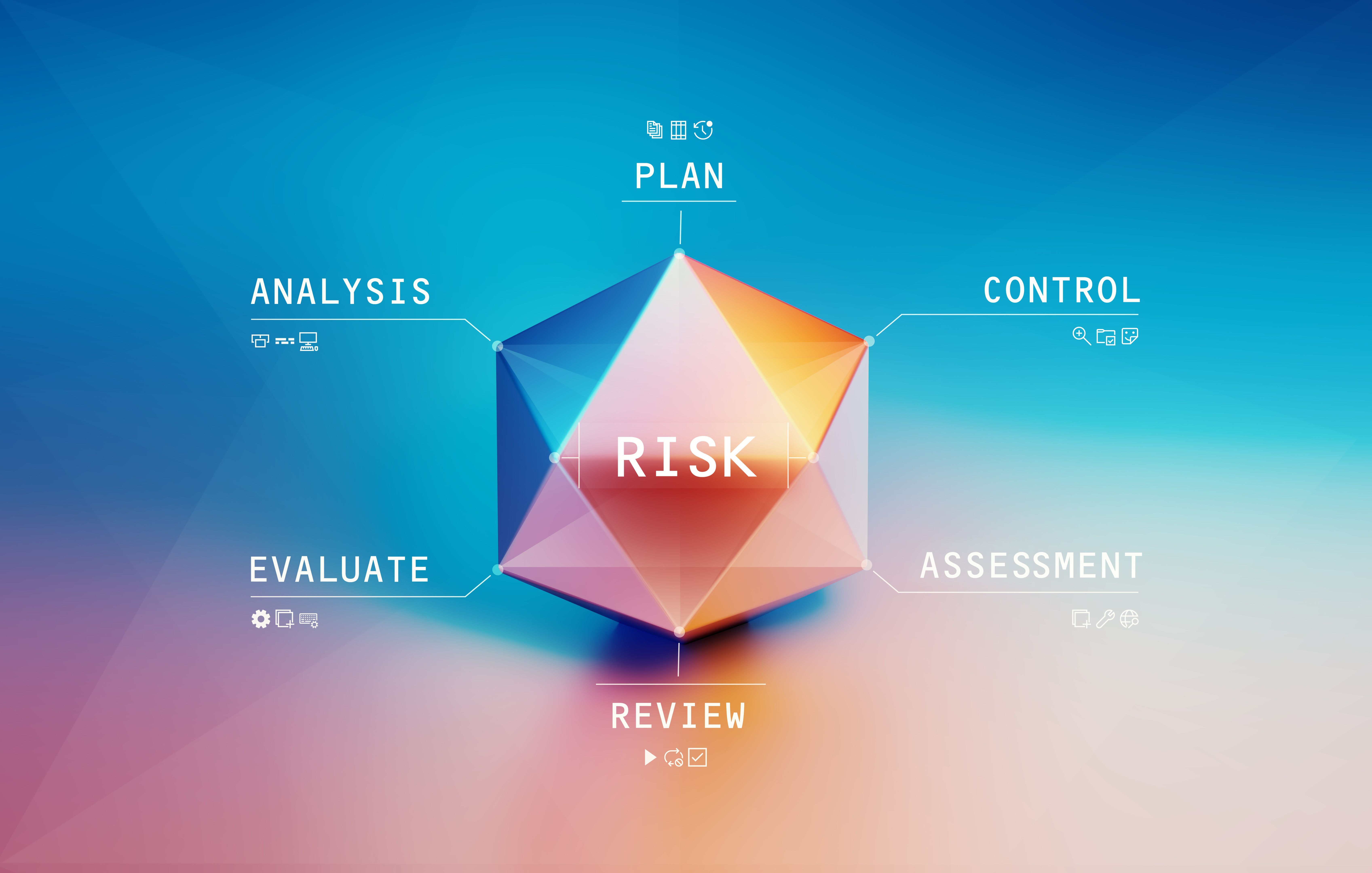
Identifying potential risks early in the project is essential. By conducting risk assessments and developing contingency plans, project managers can mitigate issues before they become significant problems. This proactive approach ensures that the project can continue smoothly, even when unexpected challenges arise.
Leveraging Technology for Efficiency
Technology plays a vital role in modern project management. Tools like project management software, communication platforms, and data analytics can streamline processes and improve efficiency. By leveraging these technologies, project managers can focus on strategic tasks rather than getting bogged down by administrative duties.
Continuous Improvement and Feedback
After a project concludes, conducting a thorough review is essential. Gathering feedback from team members and stakeholders allows for continuous improvement. By analyzing what worked and what didn’t, teams can refine their processes and strategies for future projects.

Conclusion
Mastering project management in IT requires a combination of clear objectives, effective communication, agile methodologies, and a keen eye for risk management. By leveraging these strategies and embracing technology, IT professionals can drive projects to success, ensuring they deliver value and meet stakeholder expectations.